How to Climb from Iron to Radiant in Valorant Like a Pro
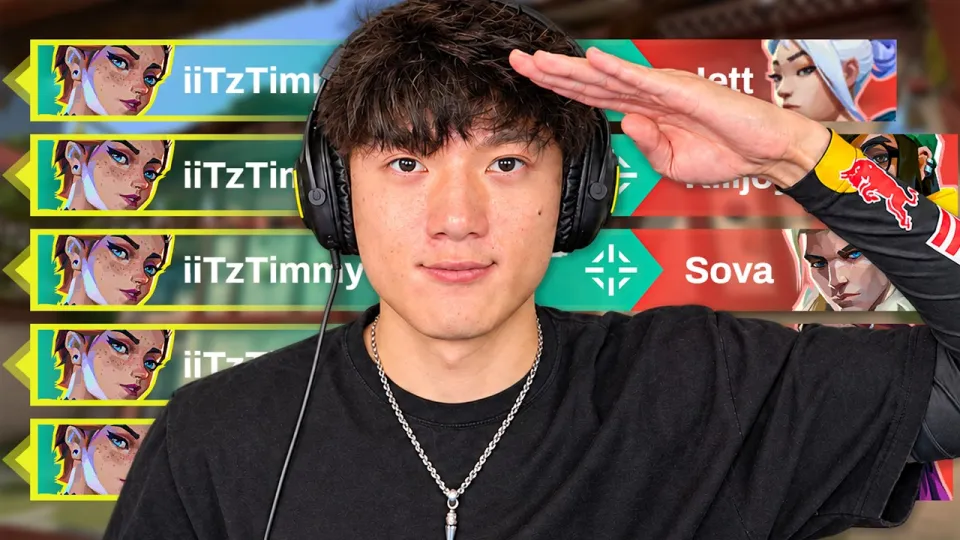
Video: I Might Be Getting TOO Good at Valorant… (Lowest To Highest Rank Challenge)
Want articles like this for your own video to promote it on YouTube and Google? Order them through the Telegram bot @sat_sit_bot. It writes articles around your video, embeds the video and publishes them on popular niche websites (no ads). Your first 50 articles are free.
· based on the channel iiTzTimmy Two
Climbing from Iron to Radiant in Valorant requires a combination of mechanical skill, game sense, and mental fortitude. Based on iiTzTimmy's lowest-to-highest rank challenge, the key is to focus on your own improvement, communicate effectively, and maintain a positive mindset even when teammates tilt. You can watch iiTzTimmy live on Twitch to see these principles in action.
Understanding the Lowest-to-Highest Rank Challenge
The lowest-to-highest rank challenge is a popular format where a high-ranked player starts with a fresh account and attempts to climb from the bottom (Iron) to the top (Radiant). In this video, iiTzTimmy, a well-known streamer and former professional player, embarks on this journey. The challenge serves as a practical demonstration of how a skilled player adapts to lower-ranked lobbies and gradually increases their rank. It also highlights the differences in playstyle and communication across ranks.
Key Strategies for Climbing Ranks
To climb efficiently, you need to master several core aspects of Valorant. Here are the main strategies Timmy employs:
- Aim and Mechanics: Timmy relies on his superior aim and movement to win duels. He consistently practices aim training and uses efficient crosshair placement. For lower-ranked players, focusing on aim drills and deathmatch can significantly improve dueling success.
- Game Sense and Positioning: Understanding map layouts, common angles, and enemy tendencies is crucial. Timmy often anticipates enemy movements and uses off-angles to gain advantages. He also knows when to push and when to fall back, adapting to the flow of each round.
- Communication: Even in lower ranks, where teammates may not communicate, Timmy provides clear callouts and encourages teamwork. He uses voice chat to coordinate plays and share information, which can turn the tide of a match.
- Mental Resilience: Timmy maintains a calm demeanor, even when teammates are toxic or uncooperative. He avoids engaging in arguments and focuses on his own performance. This mindset prevents tilt and keeps the team morale up.
Common Mistakes Lower-Ranked Players Make
In the video, several common pitfalls are evident, especially from teammates and opponents. Recognizing these can help you avoid them:
- Blaming Teammates: A Cypher player in the first game constantly criticizes his team and makes excuses, which only worsens team cohesion. Instead of blaming others, focus on what you can control.
- Poor Communication: Some players fail to give accurate callouts or ignore team comms. Clear and concise information is vital for coordinated plays.
- Overextending: Many lower-ranked players push too aggressively without backup or information, leading to unnecessary deaths. Timmy often punishes such mistakes.
- Tilting: Getting frustrated after a few bad rounds can lead to poor decision-making. Maintaining composure is key to mounting a comeback.
How to Improve Your Own Game
If you want to climb like Timmy, here are actionable steps you can take:
- Review Your VODs: Watch your own gameplay to identify mistakes and areas for improvement. Focus on positioning, decision-making, and aim.
- Practice Aim Daily: Spend 15-30 minutes in the range or using aim trainers to warm up and improve muscle memory.
- Learn from Better Players: Watch streamers like iiTzTimmy and analyze their strategies, crosshair placement, and movement.
- Communicate Effectively: Use voice chat to share information and coordinate with your team, even if others are silent.
- Stay Positive: Avoid tilting and keep a constructive attitude, as negativity affects your performance and your team's.
The Role of Mental Fortitude in Solo Queue
Mental resilience is often the difference between a win and a loss. In the video, Timmy's calm approach contrasts sharply with the toxic behavior of some teammates. He doesn't engage in arguments and instead focuses on his own play. This not only keeps him performing at a high level but also prevents the team from falling apart. For solo queue warriors, developing a thick skin and a short memory for bad rounds is essential. Remember that you can't control your teammates, but you can control your reactions.
Useful Links
- Watch iiTzTimmy live on Twitch
- Follow iiTzTimmy on Twitter
- iiTzTimmy on Instagram
- iiTzTimmy on TikTok
- Join the Discord community
Final Thoughts
The lowest-to-highest rank challenge is more than just a showcase of skill; it's a lesson in adaptability, communication, and mental toughness. By applying the strategies demonstrated by iiTzTimmy, you can improve your own ranked experience and climb the ladder. For more insights and live gameplay, be sure to check out iiTzTimmy's Twitch channel and follow the iiTzTimmy Two YouTube channel for similar content.
Key takeaways
- iiTzTimmy took on a lowest-to-highest rank challenge in Valorant, starting from Iron and aiming for Radiant.
- The video highlights common mistakes lower-ranked players make, such as poor communication and blaming teammates.
- Timmy demonstrates strong individual mechanics and game sense, often outplaying opponents in lower ranks.
- Viewers noted the contrast between Timmy's calm approach and the toxic behavior of some teammates.
- The challenge underscores the importance of mental resilience and adaptability in solo queue.
Source: I Might Be Getting TOO Good at Valorant… (Lowest To Highest Rank Challenge) · Markdown version
Questions & answers
What is the lowest-to-highest rank challenge in Valorant?
It's a challenge where a player starts with a new account at the lowest rank (Iron) and attempts to climb to the highest rank (Radiant). The goal is to demonstrate skill progression and highlight differences between ranks.
How can I improve my aim in Valorant?
Practice daily in the range, use aim trainers like Aim Lab, and focus on crosshair placement and recoil control. Consistent practice and reviewing your gameplay can lead to significant improvement.
Why is communication important in Valorant?
Communication is key for coordinating strategies, sharing enemy positions, and executing plays. Even simple callouts can give your team a significant advantage and improve teamwork.
How do I deal with toxic teammates in Valorant?
Stay calm and avoid engaging in arguments. Mute toxic players if necessary and focus on your own performance. Maintaining a positive mindset can prevent tilt and keep your team focused.